
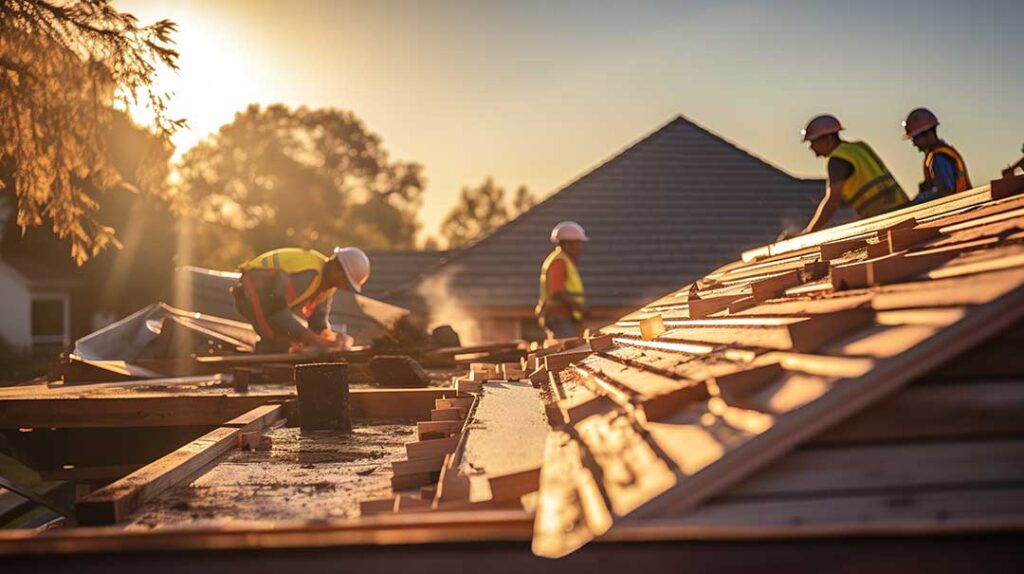
How Do You Know Your Roof Needs to Be Replaced?
In Ransomville, NY, roof replacement is something nearly every homeowner will face eventually, but deciding exactly when to act isn’t always clear-cut. The signs that your roof may be due for replacement can range from dramatic leaks to subtle aging. Understanding what to look for, and how local conditions affect roofing materials, helps residents make informed decisions about their homes.
What Are the Most Common Signs of Roof Aging?
Some aging signs are more obvious than others. The most common indicators your roof may need replacement include:
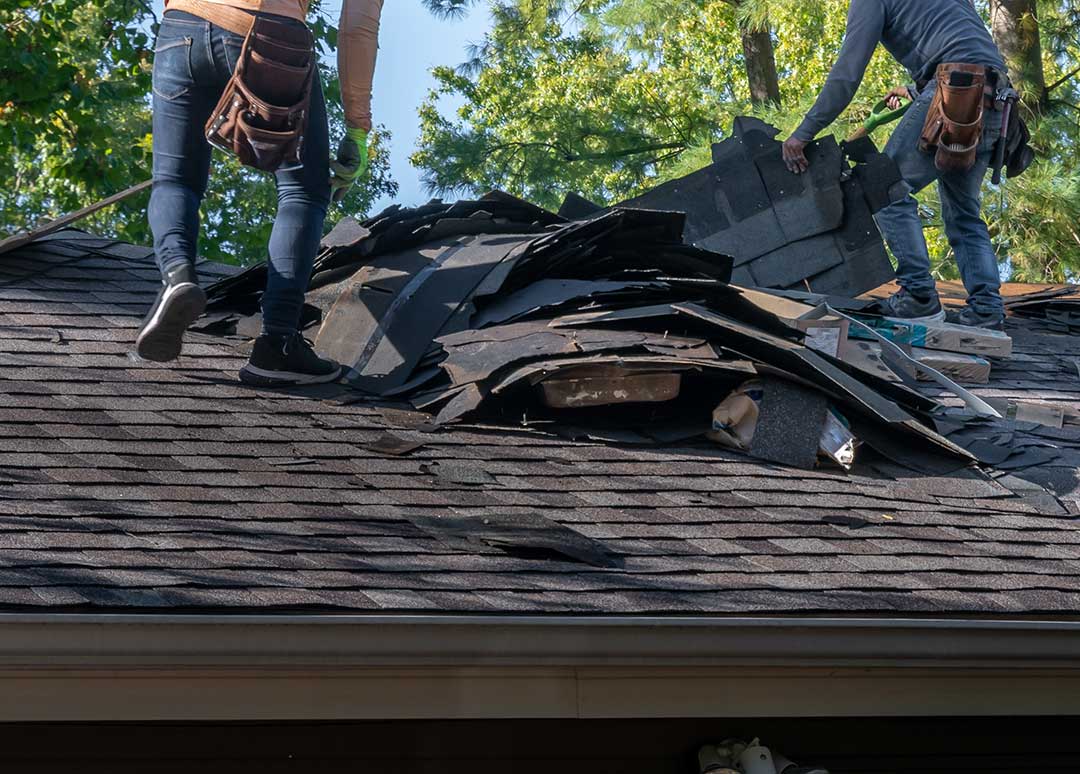
- Curled, cracked, or missing shingles
- Shingle granules accumulating in gutters
- Light showing through the attic ceiling
- Frequent or recurring leaks after rain or snow
- Soft, spongy, or sagging spots when walking on the roof
In Ransomville, older roofs with asphalt shingles typically last 20 to 25 years, but harsh winters and strong summer sun can shorten this lifespan. Many area homes built in the late 1990s or earlier are approaching the end of their original roofing materials’ service lives.
Does Weather in Ransomville Affect Roof Lifespan?
Absolutely. The region’s seasonal freeze-thaw cycles, heavy snows, and occasional summer hail storms create unique challenges for local roofs.
- Snow and ice can lead to roof ice dams, which force water under shingles.
- High winds—common near Lake Ontario—can lift or break older shingles.
- Intense sun in summer can cause asphalt shingle deterioration and fading.
If your roof has taken a beating by multiple severe storms, or you regularly see ice dams forming along eaves, accelerated wear is likely.
Are All Roof Leaks a Sign It’s Time to Replace the Roof?
Not every leak means a full replacement is necessary. Minor leaks can sometimes be traced to isolated damaged shingles, flashing, or vent boots. However, persistent or widespread leaks, especially after heavy rain, suggest the water barrier has been compromised.
If leaks occur in multiple places or return despite repairs, it’s often a sign the roofing system as a whole is failing due to age. Leaks that return after each snowmelt or that cause ceiling stains in several rooms are common triggers for replacement in area households.
How Can You Tell the Condition of Your Roof’s Structure?
Homeowners often overlook the structural layers beneath shingles. In older homes in Ransomville, the underlying wood may become soft or rotten after years of slow water infiltration. Telltale signals include:
- Sinking spots or a wavy appearance when viewing the roofline
- A musty smell in the attic
- Cracking or visible decay in eaves or overhangs
Structural damage should never be ignored since it can lead to more extensive repairs and even safety concerns.
Can Energy Bills Reveal Roof Problems?
Higher heating and cooling costs can sometimes be linked to roof issues. Poor attic ventilation combined with deteriorating shingles can allow heat loss in winter and overheating in summer. Residents might notice that their attic is unusually hot in July or cold drafts occur in winter, hinting at reduced insulation effectiveness due to aging roofing material.
Should You Replace Just One Section, or the Entire Roof?
Some homeowners hope to save money by replacing only damaged sections rather than the full roof. This may be reasonable if the rest of the roof is in good condition or was installed much later. But, if the majority of the surface is showing signs of age, patching small areas often becomes a recurring expense.
Partial roof jobs can also cause color mismatches and uneven wear, which may be more noticeable on homes with less roof pitch or where the roof is highly visible from the road.
What Are Misconceptions That Lead to Delaying Roof Replacement?
Several myths keep local homeowners from acting quickly. Some common misconceptions include:
- Believing a roof lasts as long as its warranty, regardless of weather or maintenance
- Assuming that newer leaks can be addressed one by one, indefinitely
- Thinking that moss or lichen growth is only a cosmetic issue (it can actually damage roofing and trap moisture)
- Waiting until interior damage appears, instead of responding to exterior warning signs
Delaying too long may lead to bigger repairs, like damaged insulation or mold growth inside walls.
Does Home Insurance Cover Roof Replacement?
Insurance policies generally cover sudden, accidental damage—such as from a fallen tree branch or a hailstorm—not normal wear. If a roof is aging or has failed due to neglect or regular exposure, replacement is typically the homeowner’s responsibility.
Insurers may require photographs or professional documentation to support claims related to covered perils, especially after a significant weather event. Ransomville residents should check the age and history of their roof when reviewing coverage annually.
What Steps Can Area Residents Take to Assess Their Roof?
Residents interested in keeping their homes in good condition can do occasional visual checks using binoculars from ground level, walk the perimeter after storms, or inspect the attic for signs of water entry. If there are safety concerns—such as steep pitch, roof ice, or visible sagging—it’s best not to climb onto the roof. Recording the age of your roofing and keeping notes after major weather events makes long-term decisions easier.
