
How Does Your Roof Affect Home Energy Use in Ransomville, NY?
The roof over your head plays a significant role in how much energy your household uses—especially during the cold winters and warm summers typical in Ransomville, NY. A well-maintained, properly insulated roof can help keep heat inside during winter and block excess sun during summer, reducing the load on your heating and cooling systems.
Many local homes were built long before energy standards were as high as they are today. Even small improvements or updates to roofing materials and attic insulation can deliver noticeable gains in comfort and utility costs.
What Roofing Materials Provide Better Energy Performance in This Region?
The material your roof is made of has a direct impact on energy performance. In the Ransomville climate, residents need roofs that handle both snow loads and seasonal swings in temperature.
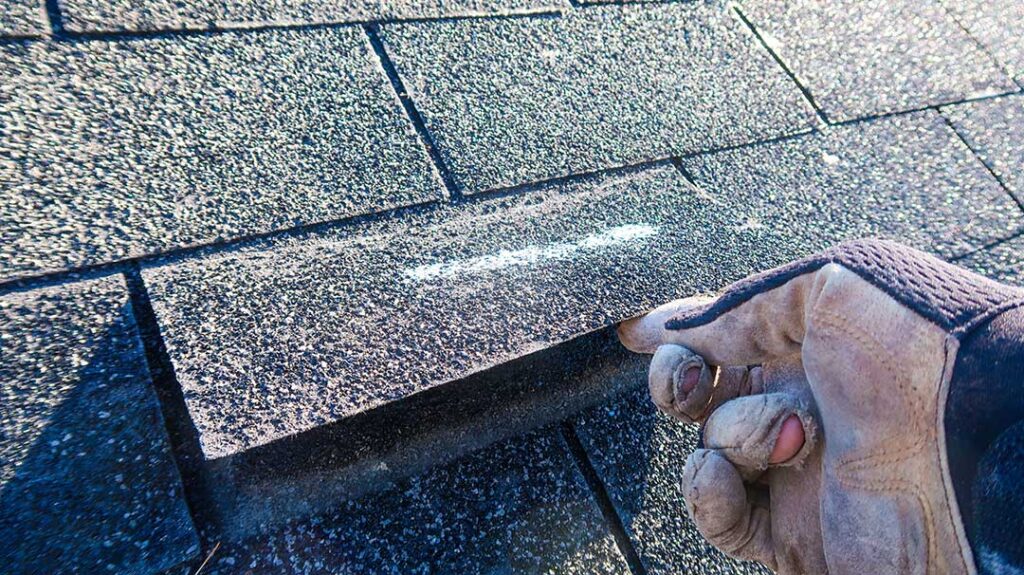
- Asphalt shingles: These remain common in the city, offering decent performance but significant heat absorption in darker colors. Lighter shades reflect more sunlight, slightly reducing summer attic temperatures.
- Metal roofing: Metal roofs, especially those coated with reflective finishes, can bounce more sunlight and reduce summer heat gain. They also shed snow well.
- Slate and tile: Less common but highly durable, these materials have natural insulating properties and can regulate attic temperatures, though their heavy weight makes them best suited for specific roof structures.
- Cool roof coatings: Some newer roofing products come with special coatings designed to increase solar reflectance and lower surface temperatures, which can be useful for retrofitting existing roofs without full replacement.
It’s important to choose materials that hold up under local conditions—think heavy snows, rapid freeze-thaw cycles, and windy storms.
Does Roof Color or Finish Make a Difference in Local Energy Bills?
Roof color and finish can make a subtle but real difference in how much heat your home absorbs through the roof. In Ransomville, summers can get warm enough that attic temperatures soar, so lighter-colored and reflective materials can help keep upper floors cooler. In winter, the effect reverses somewhat—darker roofs can help absorb what little sun there is, marginally raising attic temperatures.
For most families, these impacts are moderate, but over many years, they add up—especially if an attic is poorly insulated.
How Important Is Roof Insulation for Energy Savings?
Insulation beneath the roof is one of the most effective, affordable ways to improve energy efficiency in local homes. Inadequate attic insulation is a common cause of heat loss during cold months, leading to higher heating bills and more frequent ice dam formation.
Well-insulated attics:
- Trap warm air during winter, reducing heat loss through the roof
- Help keep the house cooler during summer by slowing heat transfer from the roof
- Provide a buffer against outdoor temperature swings
- Minimize the formation of harmful ice dams in snowy periods
The U.S. Department of Energy recommends a minimum insulation value (R-value) for attics in Northern regions—local area attics should typically aim for R-49 or higher.
How Can Local Residents Address Air Leaks and Poor Ventilation?
Energy loss doesn't only happen through roofing materials; small cracks or gaps, especially around attic hatches, vents, and chimneys, often allow warm air to escape and cold drafts to enter. Addressing these can be a simple DIY project:
- Use weatherstripping around attic doors or pull-down stairways.
- Caulk gaps around penetrations like plumbing stacks, wires, or recessed lights.
- Ensure soffit vents are clear of insulation to allow healthy airflow.
Proper attic ventilation is also crucial. Without it, moisture from daily activities (cooking, showers, etc.) can get trapped, raising the risk of mold and reducing the effectiveness of insulation. In Ransomville, where humidity and precipitation are common, balanced attic ventilation helps protect roof structures from rot and ice buildup.
Are Solar Panels or Other Roof Upgrades Worthwhile Here?
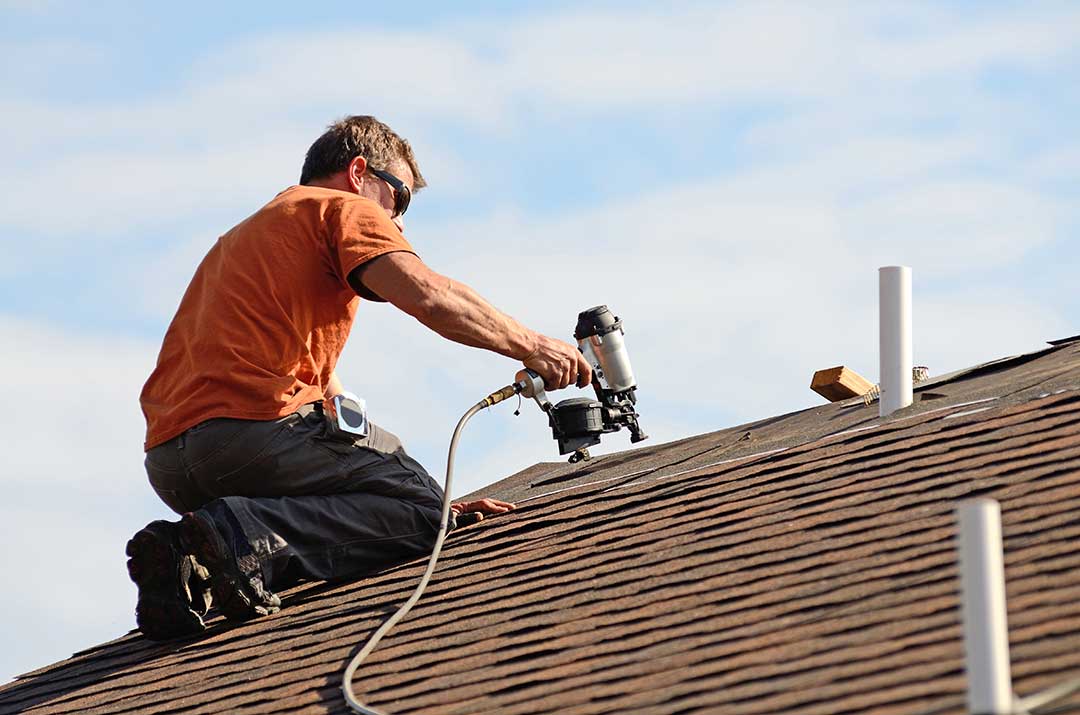
Solar panels can make sense for some households in Ransomville, though local weather and tree cover may limit total output. Even so, panels can help reduce energy costs, particularly when paired with an efficient, well-insulated roof setup.
Less visible upgrades, like radiant barriers or advanced underlayment, are sometimes overlooked but can provide incremental gains in year-round comfort, especially in combination with improved insulation.
What Are Common Misconceptions About Roofing and Energy Efficiency in This Area?
Many people think that simply replacing shingles or installing a new roof will automatically improve energy efficiency—this is often not the case unless insulation and attic ventilation are addressed at the same time.
A few common myths in the local area:
- "Attics should be hot to melt snow": Excessive attic heat can actually cause snow to melt unevenly and create ice dams, which damage roofs and gutters.
- "All insulation is the same": The type, thickness, and placement of insulation all matter. Compressing insulation or blocking vents can actually reduce its effectiveness.
- "New roofs never leak air": Even brand-new roofing can have gaps or poor seals if installation is rushed or craftsmanship is lacking.
Practical Steps Local Residents Can Take
Residents looking to improve their home's energy performance can often see results from simple checks and upgrades:
- Inspect attic insulation depth and coverage, especially in older homes.
- Look for visible air gaps at attic access points and wall junctions.
- Ensure roof vents are open and not covered by insulation or debris.
- Choose roofing colors and materials with local climate in mind—not just aesthetics.
- Consider energy improvements like weatherstripping, additional insulation, or reflective roof coatings during routine maintenance.
Even modest improvements, done gradually, can help area households balance comfort and utility costs throughout the changing seasons.
