
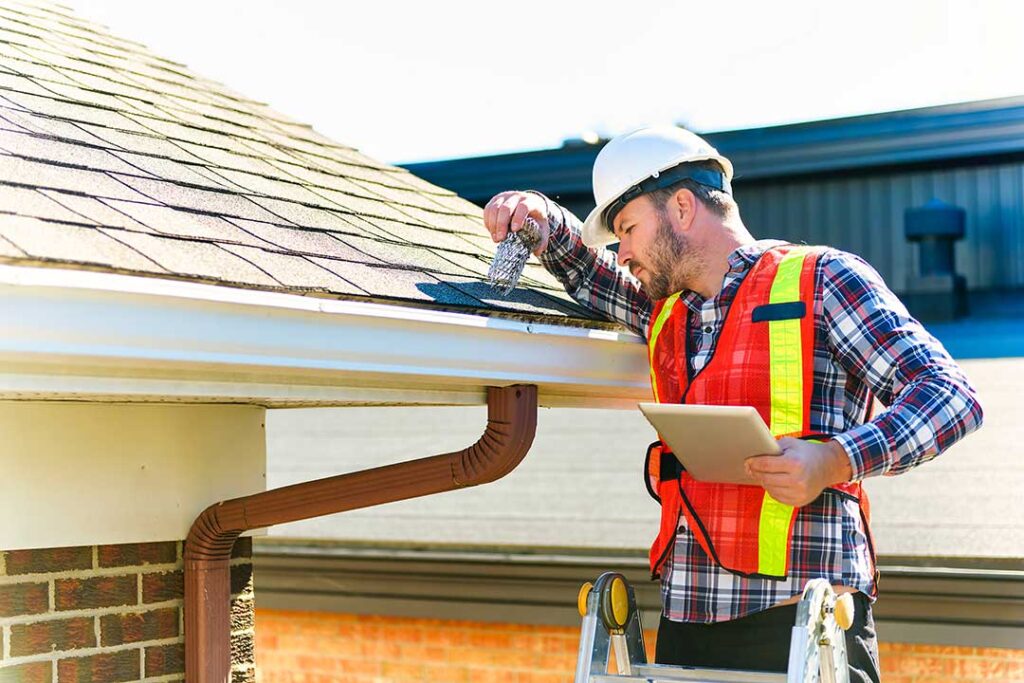
Why Do Residents Schedule Roof Inspections?
In Ransomville, NY, homeowners commonly seek professional roof inspections to address storm damage, prepare for seasonal changes, check for aging concerns, comply with insurance requirements, or when buying and selling property. Extreme weather, such as lake-effect snow and strong wind from Lake Ontario, makes regular inspections a practical measure for preventing long-term structural issues and surprise leaks.
What Happens Before the Inspector Arrives?
Before a roof inspection, area homeowners typically clear the perimeter of obstacles such as vehicles, outdoor furniture, and garden tools to allow safe access. Inspectors may ask about recent issues like water stains on ceilings, missing shingles, or past repairs. In homes with attics, some inspectors will request access to look for signs of moisture, mold, or light penetration, which are early indicators of roof problems.
What Does a Roof Inspector Look For?
A thorough inspection checks both the exterior and, if accessible, interior components of the roofing system. Inspectors typically assess:
- Shingle condition: curling, blistering, loose, cracked, or missing shingles
- Flashing: rust, gaps, or lifted edges around chimneys, vents, and skylights
- Gutters: blockages, improper pitch, and evidence of improper drainage
- Roof decking: softness, sagging, or visible damage when accessible
- Signs of water intrusion: stains, mold, wood rot, or moisture in the attic or near eaves
- Ventilation: proper airflow through attic spaces to prevent heat and moisture buildup
Inspectors in Ransomville may also check for ice dam vulnerabilities, a common winter threat caused by fluctuating temperatures and heavy snowfall.
How Long Does the Inspection Take?
Most inspections for single-family homes in the area last between 45 minutes and two hours, depending on roof size, slope, complexity, and accessibility. Steeper roofs or those with many features like dormers and chimneys may require extra diligence and time to ensure a safe, thorough review. If interior inspection is included, allow for additional time, especially in older homes with limited attic access.
Is Walking on the Roof Always Required?
Not always. While many inspectors prefer to walk the roof for a close look, some conditions—such as steep pitch, icy surfaces, or fragile coverings—make this unsafe or impractical. In such cases, binoculars, drones, or extension poles with cameras may be used. Homeowners should not attempt to join inspectors on the roof or try to walk the surface themselves, as falls and injuries are a significant risk, especially in icy or wet weather.
What Should Homeowners Expect in the Inspection Report?
After completion, the inspector provides a report, which usually includes:
- A detailed description of findings, such as worn shingles, nail pops, or deteriorating flashing
- Clear photos highlighting problem areas or detailed diagrams
- Recommendations for repairs or ongoing maintenance, when needed
- A general estimate of remaining roof lifespan, based on age and condition
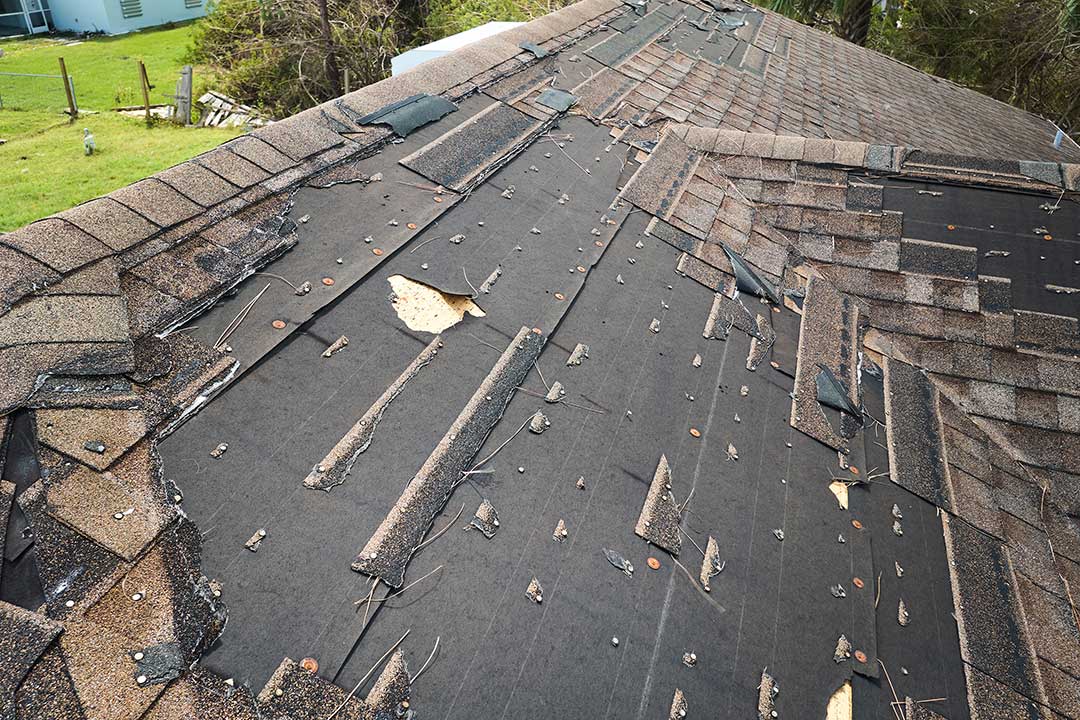
Residents often misunderstand the inspection as a seal of approval or warranty—it is not. It’s an assessment to inform decisions and catch minor issues early, not a guarantee against future problems.
Are There Local Roof Issues Specific to the Community?
Ransomville’s climate challenges include heavy lake-effect snow leading to ice dams, high winds causing shingle loss, and winter freeze-thaw cycles promoting cracks or leaks. Seasonal debris from mature trees, such as maple and oak, may clog gutters and cause water backups. Homes with older slate or metal roofs may encounter different wear patterns than those with modern asphalt shingles, requiring attention to unique maintenance points.
How Often Should Roofs Be Inspected in This Area?
For most homes in the community, an inspection every 1-2 years is reasonable, with additional checks after major storms, extreme wind events, or hail. Newer roofs under warranty may only require periodic inspection to maintain coverage, while older roofs benefit from more frequent review to identify emerging issues before they result in significant damage.
What If a Problem is Discovered?
Discovering minor issues, like a handful of loose shingles or starting leaks, allows homeowners to plan repairs and avoid larger, costlier fixes down the line. If severe structural damage, mold, or rot is found, following safety and local building guidelines—particularly for repairs involving structural work or large-scale replacements—is essential. While homeowners are often capable of basic maintenance, tasks involving roof health beyond clean-up or simple gutter clearing generally require expertise due to fall hazards and code requirements.
Common Misunderstandings About Roof Inspections
Some people assume only visible leaks require professional attention, but many issues start small and are not obvious from ground level. Another myth is that newer roofs don’t require inspection; however, even recent installations can develop issues from wind-driven debris, installation errors, or unexpected weather events. Finally, inspections do not automatically result in recommendations for replacement—many times, small repairs or preventive maintenance are all that’s needed to prolong the life of the existing roof.
