
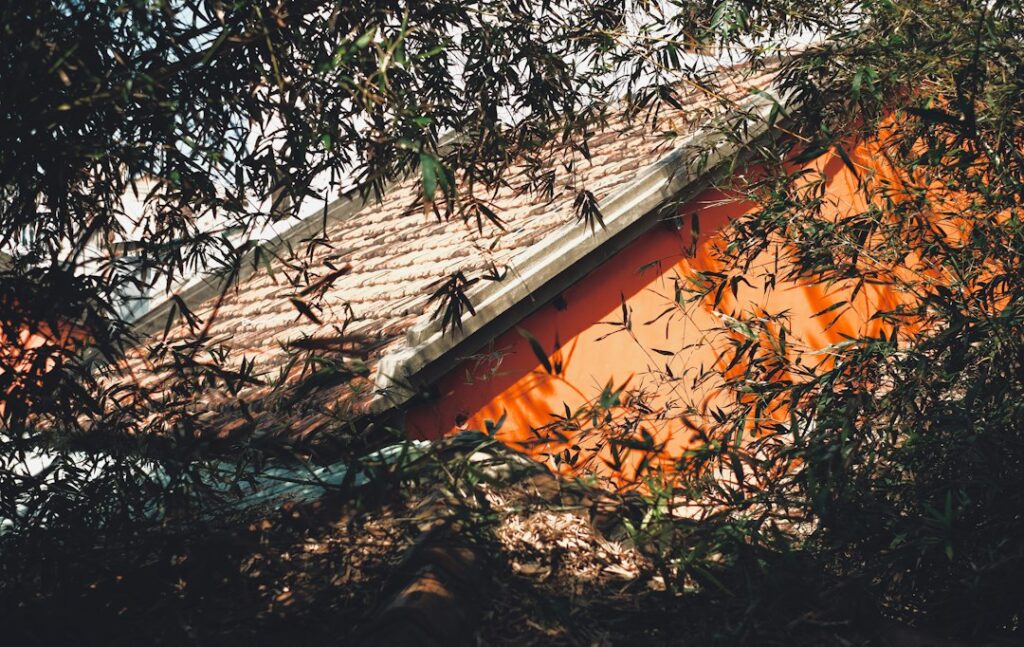
Tree limbs can affect a roof long before a major branch falls. Overhanging growth may scrape shingles, block gutters, trap moisture, or become dangerous when loaded with snow and ice. For homeowners in Ransomville, NY, seasonal wind, wet snow, freezing temperatures, and mature residential trees can combine to create roof problems that are easy to overlook.
Understanding the warning signs helps residents distinguish between routine maintenance and damage that requires immediate safety measures.
How can tree limbs damage a roof?
Tree limbs damage roofs through impact, repeated rubbing, moisture retention, and added weight. A large branch may break through the roof surface, while smaller branches can create gradual deterioration.
Common forms of damage include:
- Broken, lifted, or missing shingles
- Cracked ridge caps or damaged flashing
- Bent gutters and downspouts
- Punctured roof sheathing
- Damaged soffits, fascia, and chimney components
- Leaks around roof penetrations
- Scrapes that remove protective granules from shingles
- Blocked drainage paths that allow water to collect
A limb does not have to fall completely to cause trouble. Wind can move branches against the roof repeatedly, wearing away the surface in the same area. This type of damage may not be visible from the ground, but it can shorten the life of roofing materials and eventually allow water into the attic.
Why are overhanging branches a concern even when they look healthy?
A healthy-looking branch can still fail under unusual stress. Wind places pressure on the branch and the tree’s attachment points, while wet snow or ice adds substantial weight. Branches with weak unions, internal decay, cracks, or previous storm damage may fail without obvious warning.
Dead branches are especially concerning. Signs of possible weakness include:
- Bare limbs during a season when the rest of the tree has leaves
- Cracks, splits, or peeling bark
- Mushroom growth near the trunk or major limbs
- Hollow-sounding areas
- Hanging branches or recently broken stubs
- Large branches with poor attachment angles
- Excessive leaning or exposed roots after severe weather
A branch that extends over a roof is not automatically hazardous, but its size, condition, attachment, and distance from the structure all matter. A small twig may only create gutter debris, while a heavy limb positioned above a bedroom or entryway presents a much greater risk.
What problems can branches cause without falling?
Many roof issues linked to trees develop gradually. Branches can shade the roof and slow drying after rain or snow. Leaves and twigs may collect in valleys, around skylights, or behind chimney flashing. Persistent dampness can encourage moss and algae growth, especially on roof areas with limited sunlight.
Tree debris can also clog gutters. When water cannot drain properly, it may spill over the edge, soak fascia boards, stain siding, or collect near the foundation. During freezing weather, trapped water can freeze and expand, increasing stress on gutters and roof edges.
Rubbing is another overlooked problem. A branch that moves across shingles in strong wind can wear away the granules that protect the asphalt surface. It may also damage metal flashing or loosen ridge-cap shingles. The result can be a leak that appears days or weeks after the branch first caused the damage.
Which seasons create the greatest risk in Ransomville?
Risk changes throughout the year rather than occurring during one specific season.
In spring, saturated soil and strong winds can destabilize trees or expose root problems. Summer thunderstorms may bring sudden gusts that break limbs, even when the weather has been calm beforehand. Autumn adds falling leaves, deadwood, and occasional high-wind events. Winter creates a different combination of hazards as snow and ice accumulate on branches.
Wet snow is particularly concerning because it weighs more than light, powdery snow. Ice accumulation can also bend limbs downward and increase pressure on weak branch unions. A branch that clears the roof during dry weather may sag into contact with it after a storm.

How can homeowners inspect for tree-related roof damage safely?
A ground-level inspection is often enough to identify obvious concerns. Walk around the property after strong wind, heavy snow, or ice, but stay away from hanging branches and unstable trees.
From the ground, look for:
- Shingles that appear out of place
- New dark areas or stains on the roof
- Dented gutters
- Fallen branches or fresh bark fragments
- Twigs collecting in roof valleys
- Sagging roof edges
- Debris on skylights, vents, or flashing
- Water marks on ceilings or upper walls
Inside the attic, check for daylight, damp insulation, wet wood, or active dripping. A leak may appear away from the actual point of impact because water can travel along rafters or roof sheathing.
Climbing onto a roof to inspect storm damage is hazardous, particularly when the surface is wet, icy, steep, or covered with debris. A ladder should not be used near damaged electrical lines or unstable limbs. If a branch is touching a power line, keep away from the area and report the hazard through the appropriate utility emergency channel.
What should happen after a limb strikes the roof?
Safety comes before cleanup. Keep people and pets away from rooms directly beneath a major impact area, especially if the ceiling is sagging, the roof structure appears displaced, or water is entering quickly.
Do not cut, pull, or climb on a large limb resting on the roof. Removing weight in the wrong sequence can cause the branch to shift suddenly or worsen structural damage. Tree removal becomes especially dangerous when the limb is suspended, tangled with wires, or supported by the roof.
Once the area is safe, document visible damage with photographs from the ground and from inside the home. Temporary measures should focus on preventing additional water entry without creating a fall hazard. Insurance policies vary, so policyholders should review their coverage and reporting requirements before disposing of damaged materials when practical.
How can tree limbs be managed before they damage a roof?
Prevention begins with observing trees before severe weather arrives. Look for deadwood, broken limbs, weak branch attachments, and branches that have begun touching the roof, chimney, siding, or utility lines.
Routine pruning can reduce contact with the roof, but tree work becomes risky when branches are large, elevated, split, leaning, or close to electrical conductors. Those conditions call for qualified tree-care assistance because improper cutting can injure people, damage property, or weaken the tree further.
Roof maintenance also helps. Keep gutters and valleys clear, replace damaged flashing promptly, and inspect areas beneath tree canopies more closely than exposed roof sections. A roof that is already aging or has loose materials may be more vulnerable to minor branch contact.
The safest approach is to treat trees and roofing as connected parts of the home’s exterior. Watching for weak limbs, removing accumulated debris, and responding promptly after storms can prevent a small branch problem from becoming a leak, structural concern, or emergency.
